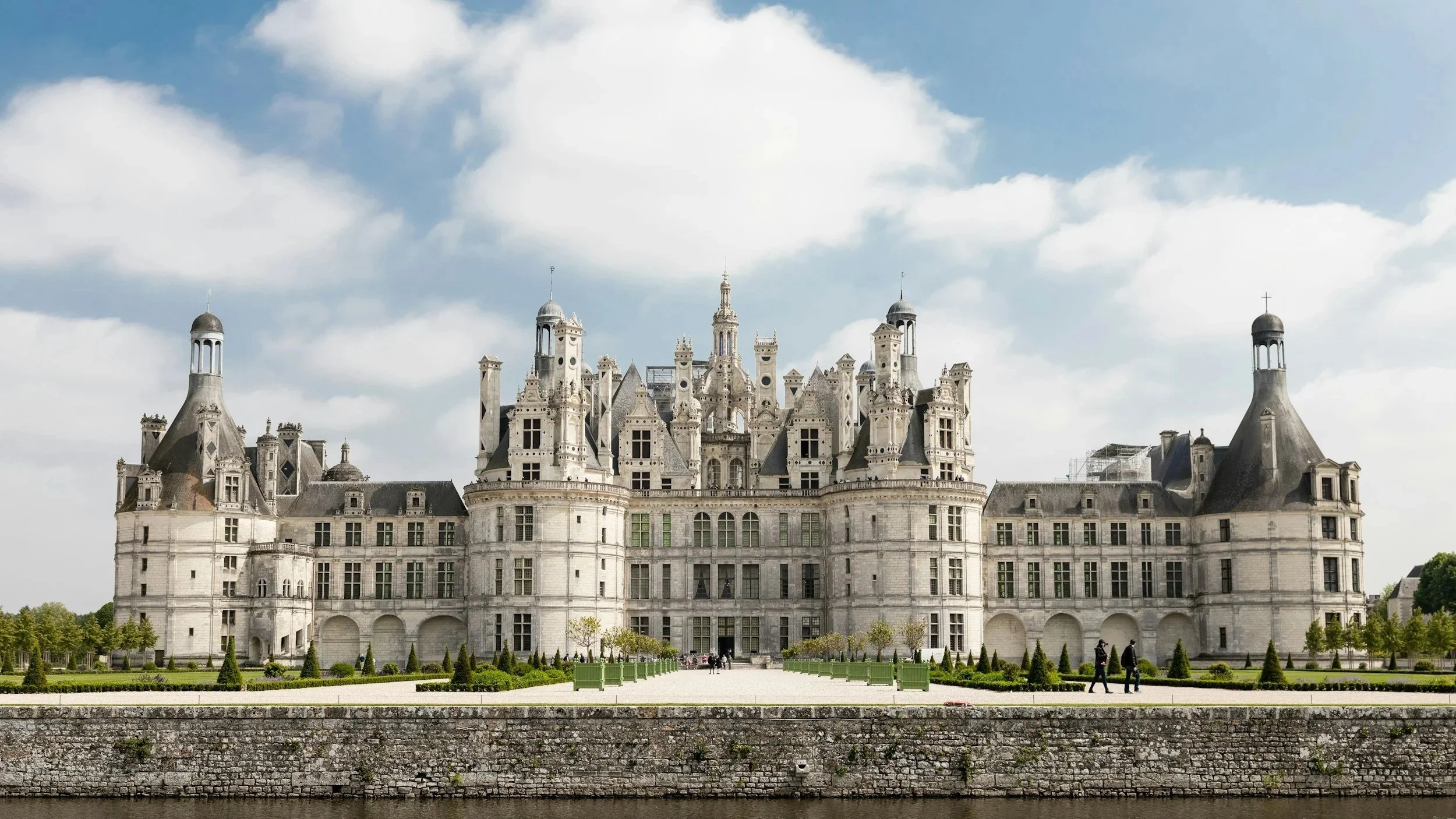
Discover Loire Valley
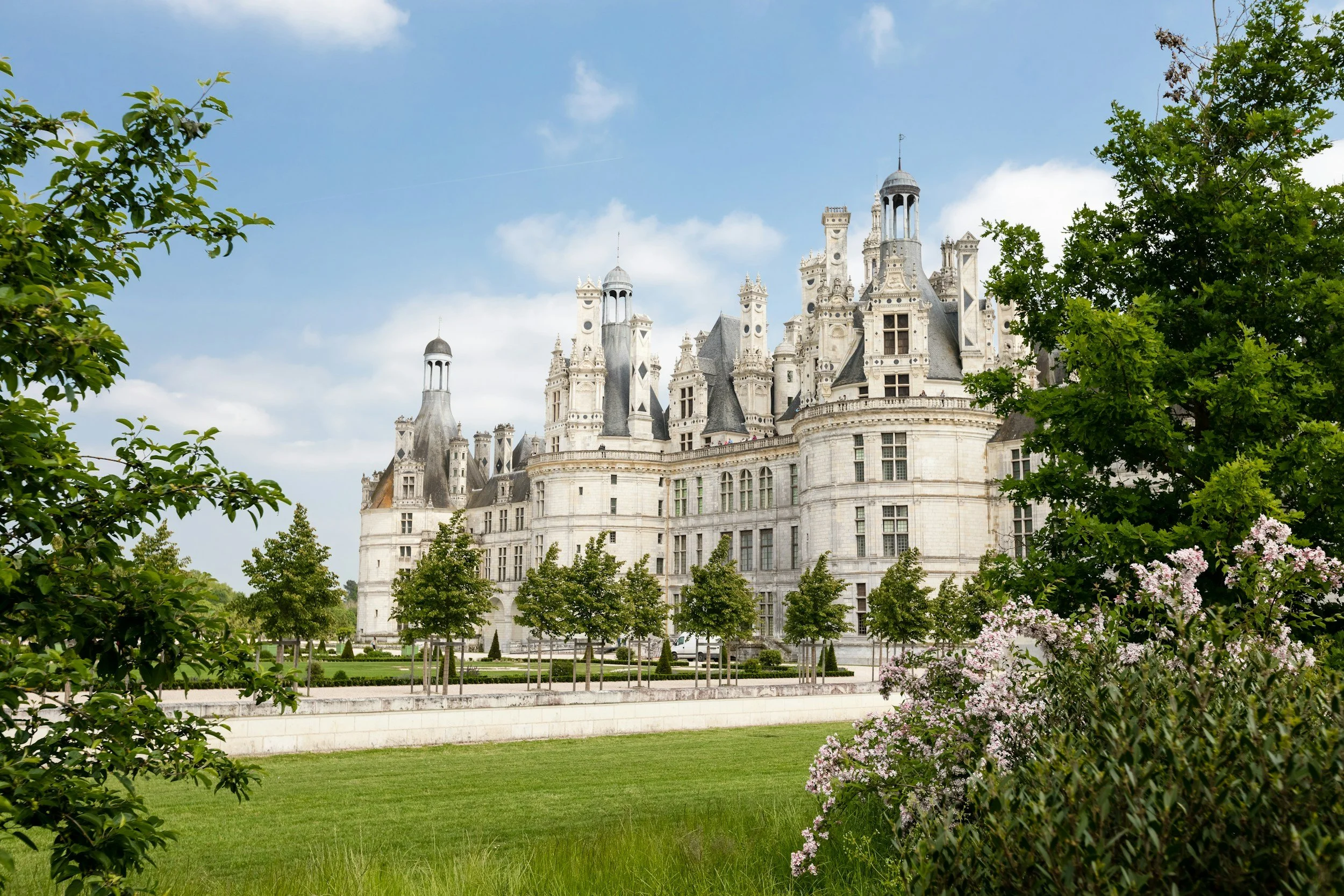
Timeless Château, Gentle Landscapes and Refined Harmony
Along the winding Loire River, where Renaissance châteaux rise between vineyards and quiet forests, a different kind of elegance reveals itself — one shaped by history, light, and the slow rhythm of the countryside. Far from intensity, the region offers a refined balance of heritage, nature, and understated beauty, where each landscape feels composed rather than designed.
From the grand silhouette of Chambord to the intimate grace of Chenonceau and the poetic gardens of Villandry, the Loire Valley unfolds through harmony and detail — river and stone, symmetry and wild nature, tradition and quiet innovation. Here, time seems to stretch, inviting travelers to move gently, whether wandering through estates or cycling between villages and vineyards.
The Loire is not just a collection of châteaux; it is an experience of pace — of soft mornings, sunlit afternoons along the river, and evenings that settle into calm, golden light. In this landscape, elegance is never imposed, but naturally present, carried by the rhythm of the land itself.
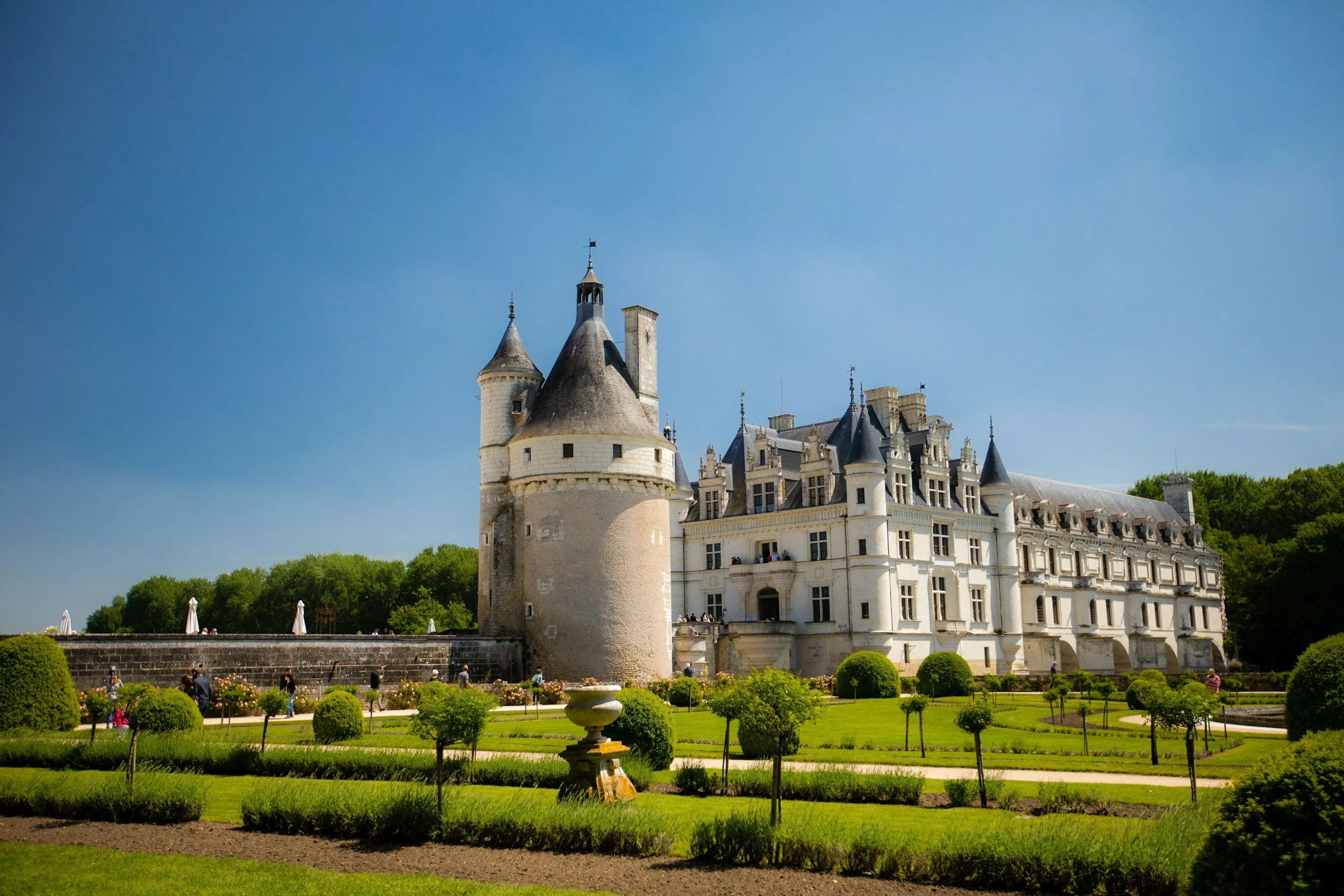
River, Châteaux & Open Landscapes
Vineyards, Heritage & Quiet Balance
Stretching along the Loire River, the valley is defined by wide open landscapes, soft light, and a strong sense of continuity between nature and heritage. The river moves slowly through vineyards, forests, and cultivated land, shaping a landscape that feels both structured and natural.
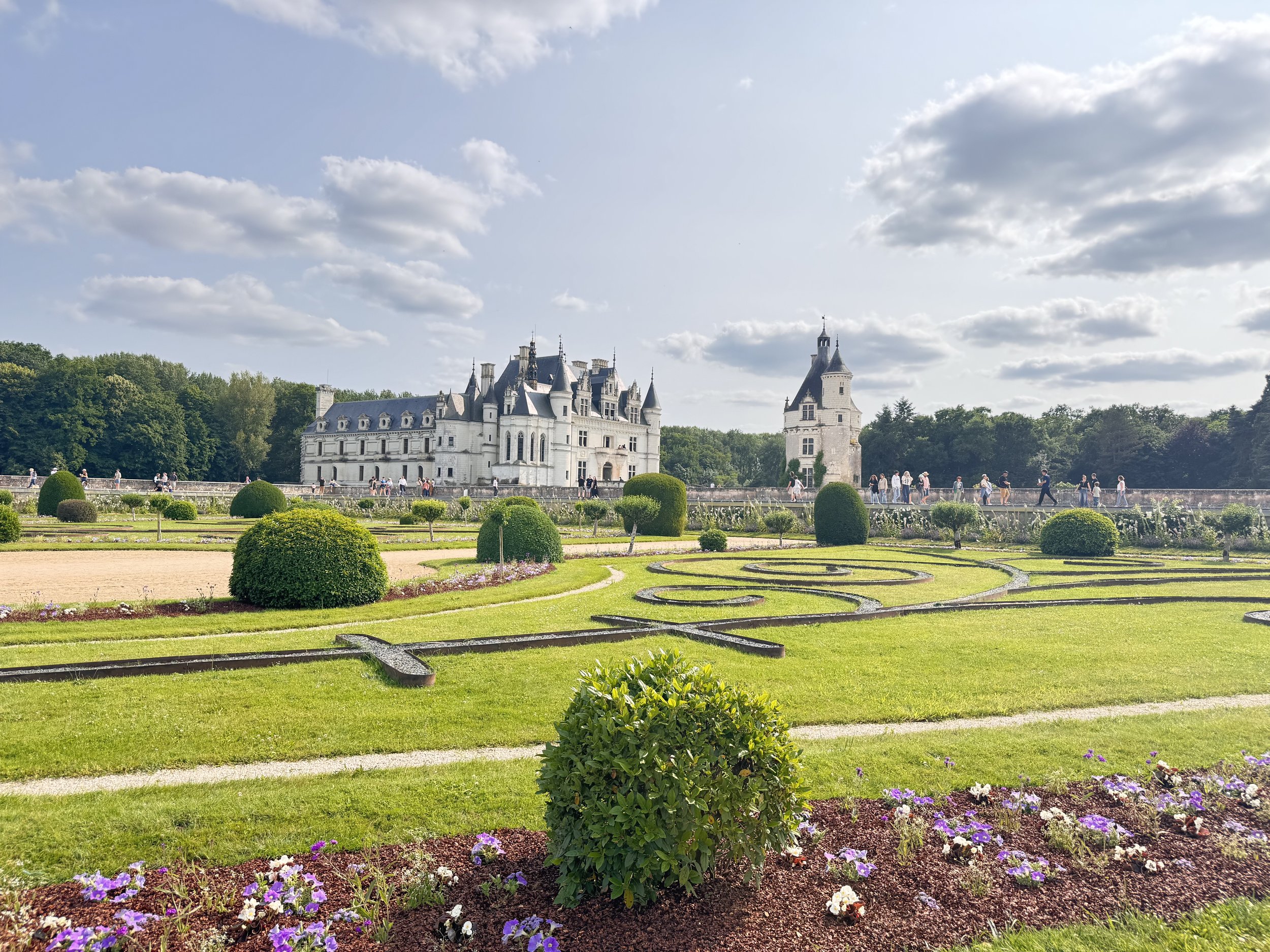
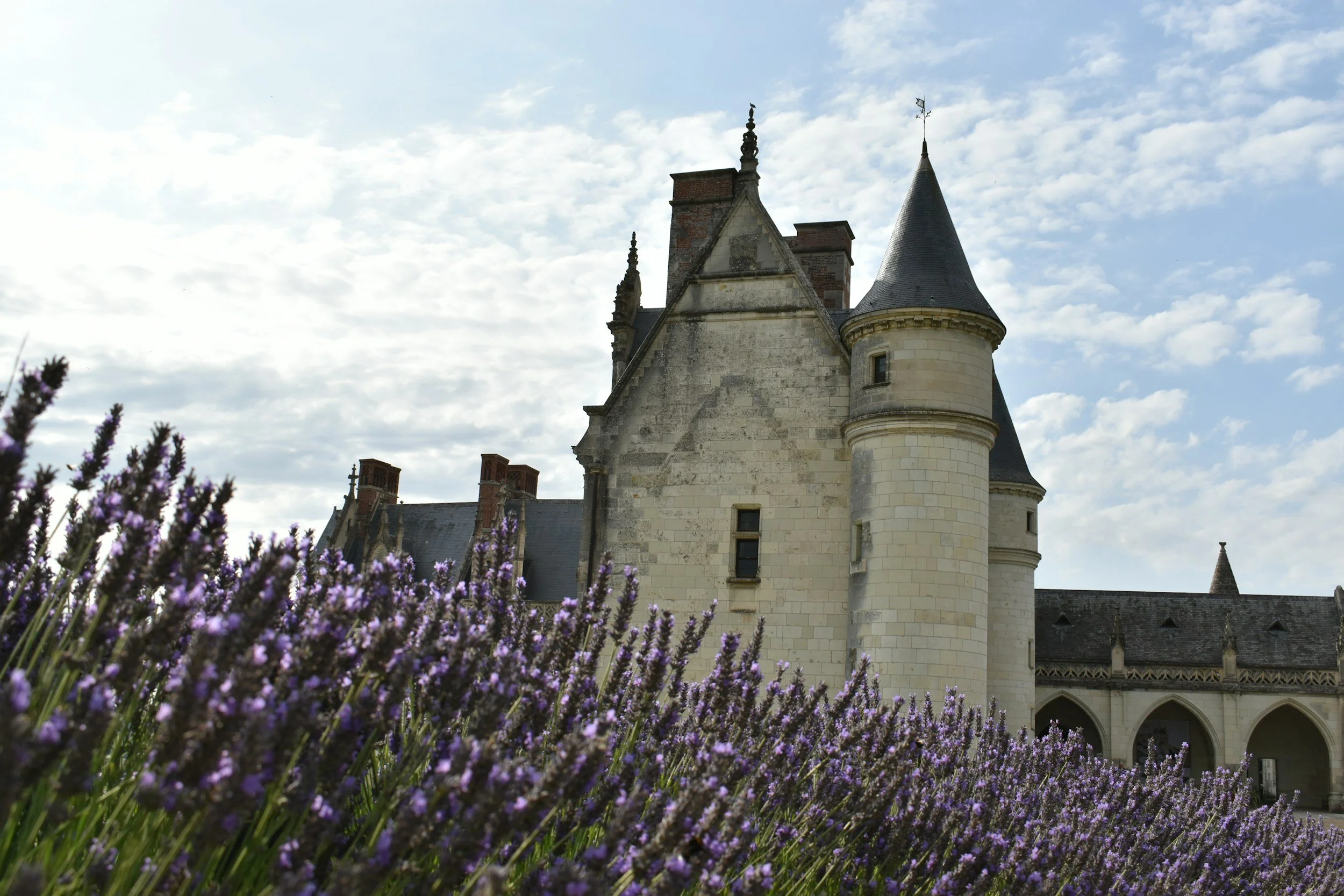
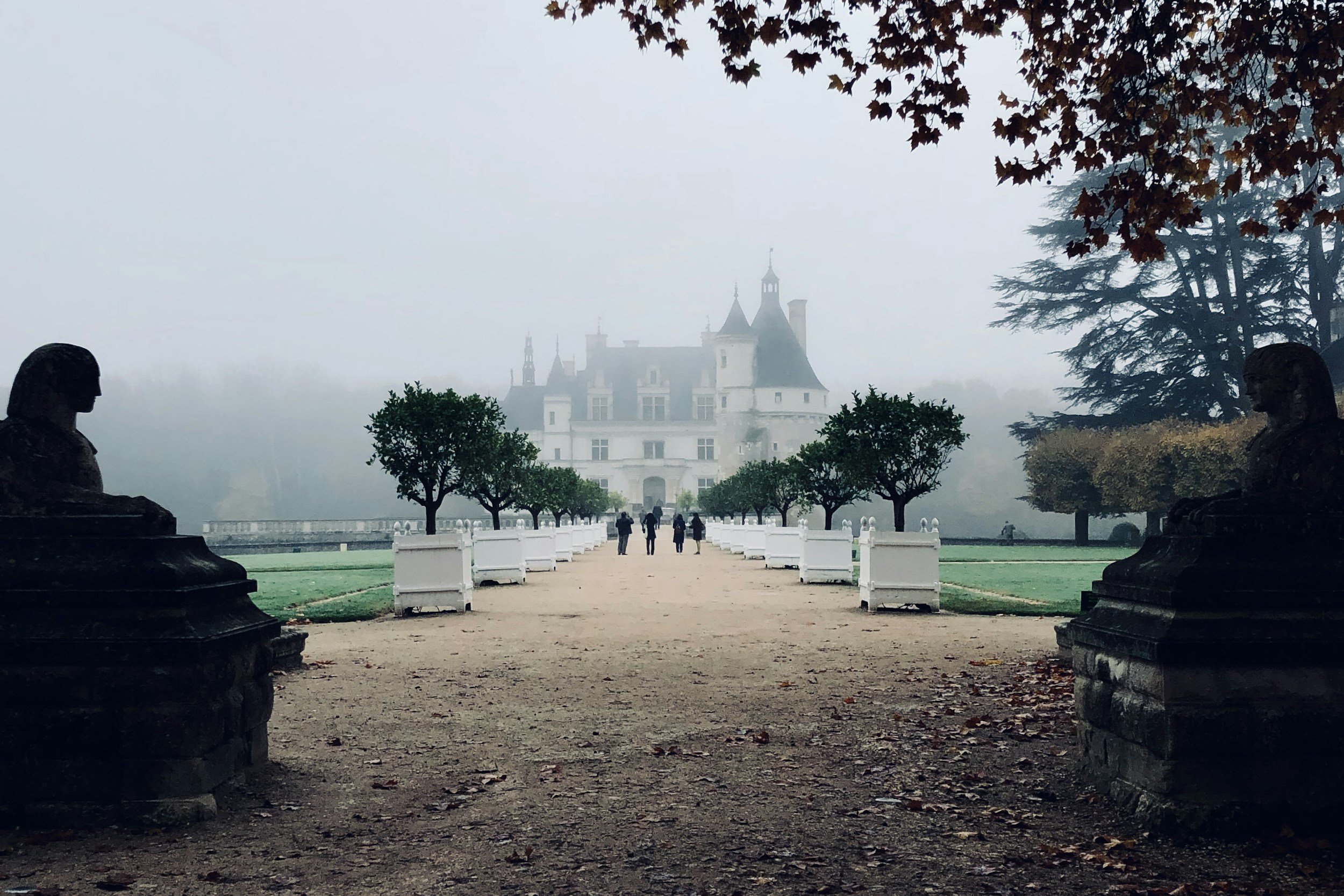
From the scale of Chambord to the symmetry of Villandry and the distinctive setting of Chenonceau spanning the river, each site reflects a different aspect of the region’s identity. Surrounding villages, farmland, and wine estates create a coherent environment, where architecture and landscape remain closely connected.
This is a destination suited to steady exploration — moving between châteaux, cycling along the river, and experiencing the region at a measured pace. The Loire Valley offers consistency, accessibility, and a clear sense of place, where heritage and landscape are experienced together rather than separately.
Refined Heritage & Countryside Living
Châteaux, Vineyards & Elevated Perspectives
The Loire Valley is defined by continuity rather than contrast, where historic architecture, cultivated landscapes, and daily life coexist seamlessly. Châteaux, villages, and vineyards are not isolated landmarks, but part of a structured environment shaped over centuries. Each location contributes to a broader sense of coherence across the region.
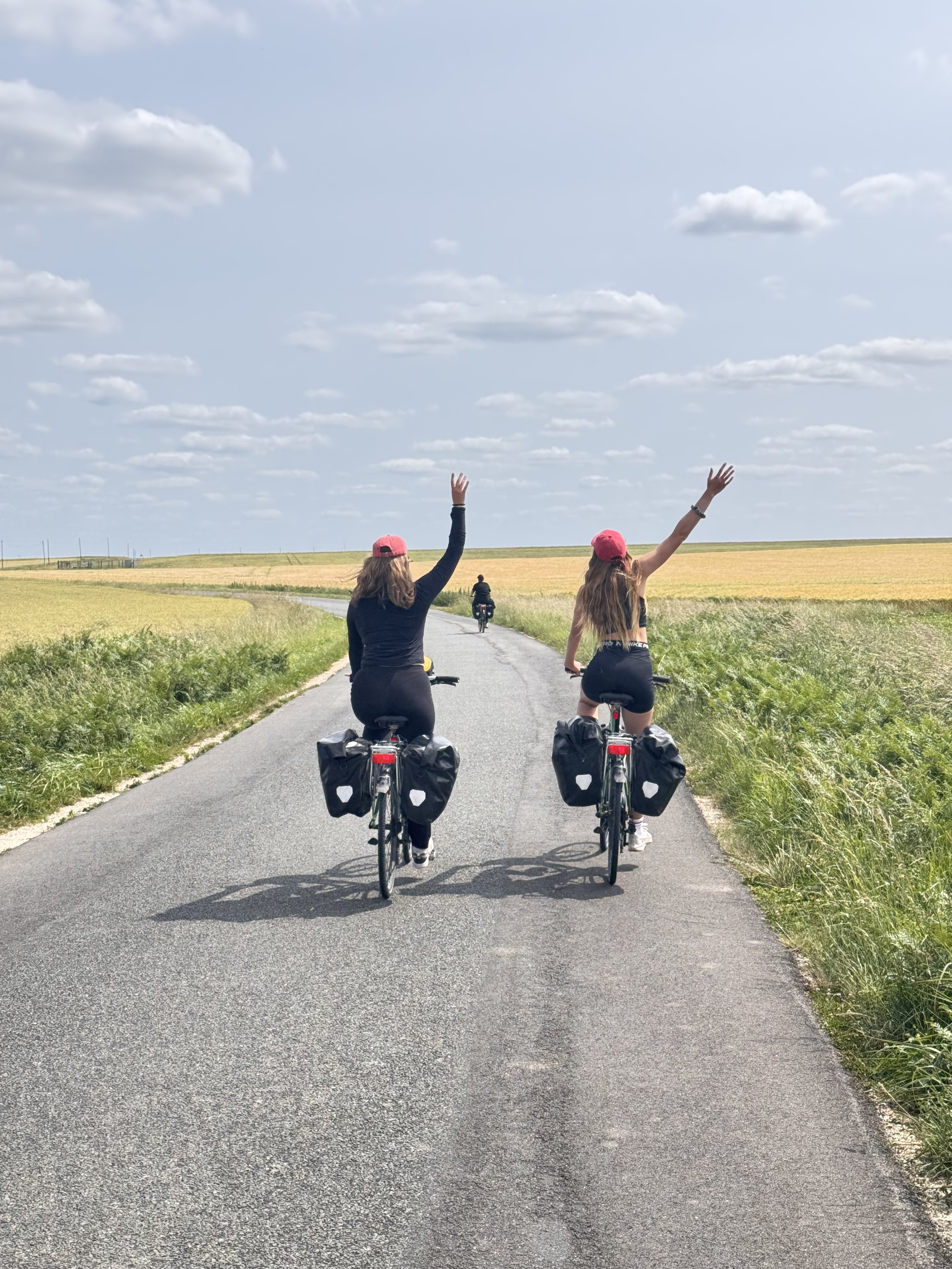
Days are organized around movement and discovery — following cycling routes that connect châteaux, villages, and vineyards along the Loire, allowing for a direct and uninterrupted way of exploring the region. These itineraries are flat, well-marked, and designed for gradual progression from one site to another.
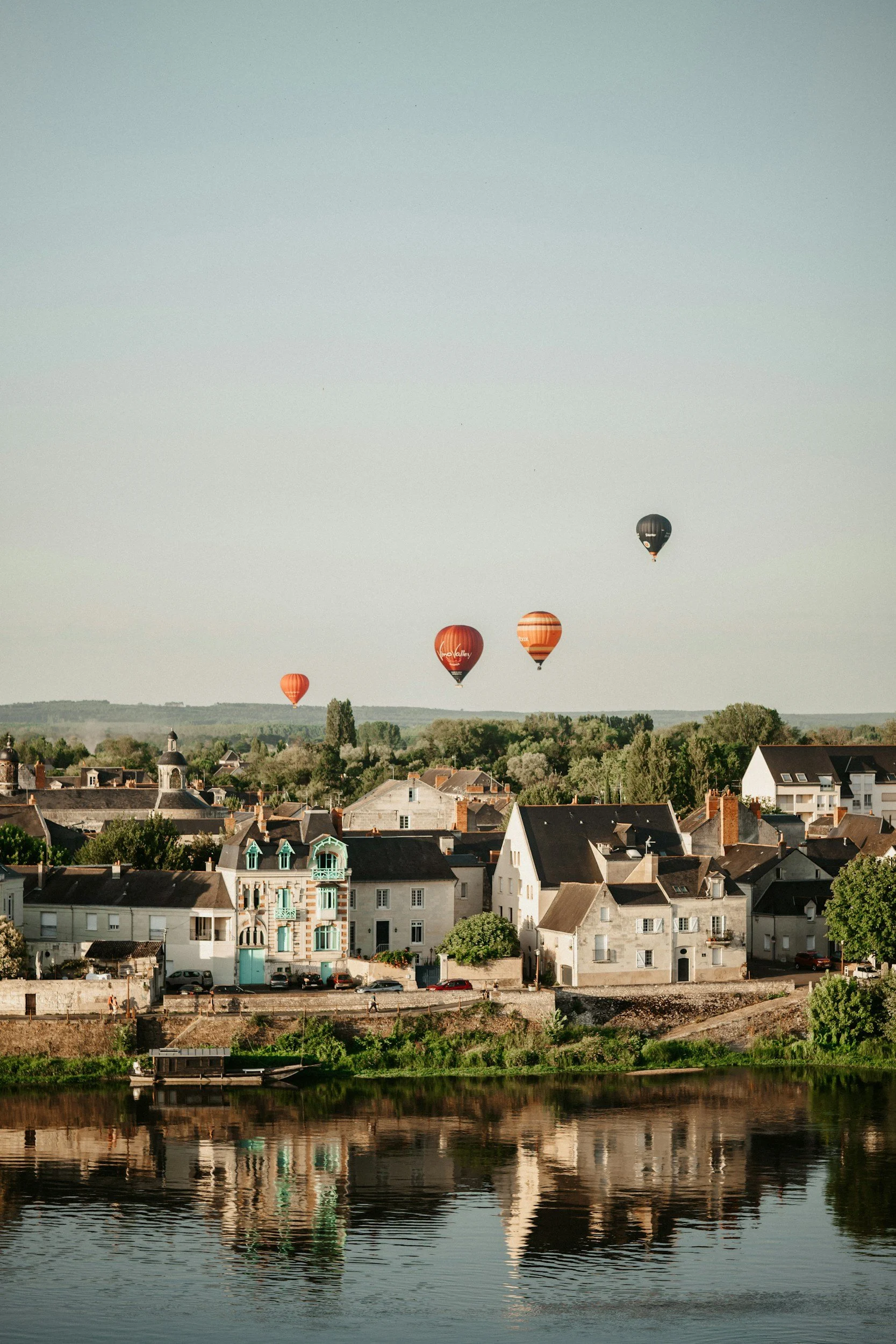
Alongside this ground-level experience, hot air balloon flights offer a complementary perspective, revealing the layout of the landscape from above — the alignment of estates, the flow of the river, and the scale of the territory.
The region offers a form of understated quality, expressed through:
• Historic châteaux integrated into their surrounding landscapes
• Established vineyards producing recognized appellations
• Small towns and villages with preserved architectural identity
• A developed cycling network linking major sites
• Aerial views by hot air balloon, offering a clear reading of the landscape
History, Heritage & Cultural Landscapes
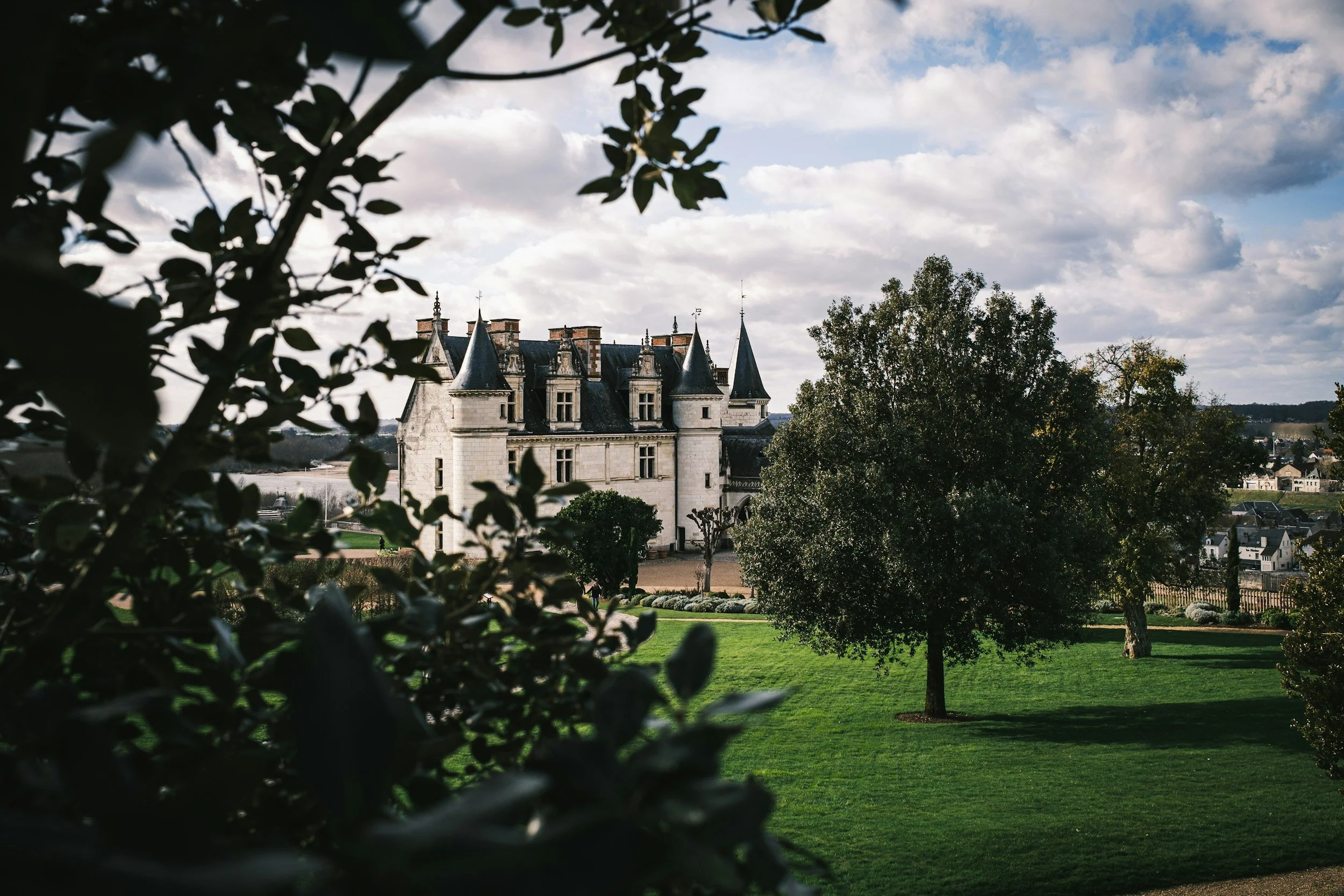
The Loire Valley reflects a defining chapter of French history, where royal power, artistic influence, and architectural ambition shaped the region. Its châteaux were not only residences, but expressions of political authority and Renaissance innovation.
The presence of Leonardo da Vinci, who spent his final years at Clos Lucé near Amboise, adds a unique cultural dimension — linking the region to one of the most influential figures of the Renaissance.
These landscapes are not only visually coherent — they are historically constructed, offering a clear connection between place, heritage, and cultural legacy.
Wine, Terroir & Local Experience
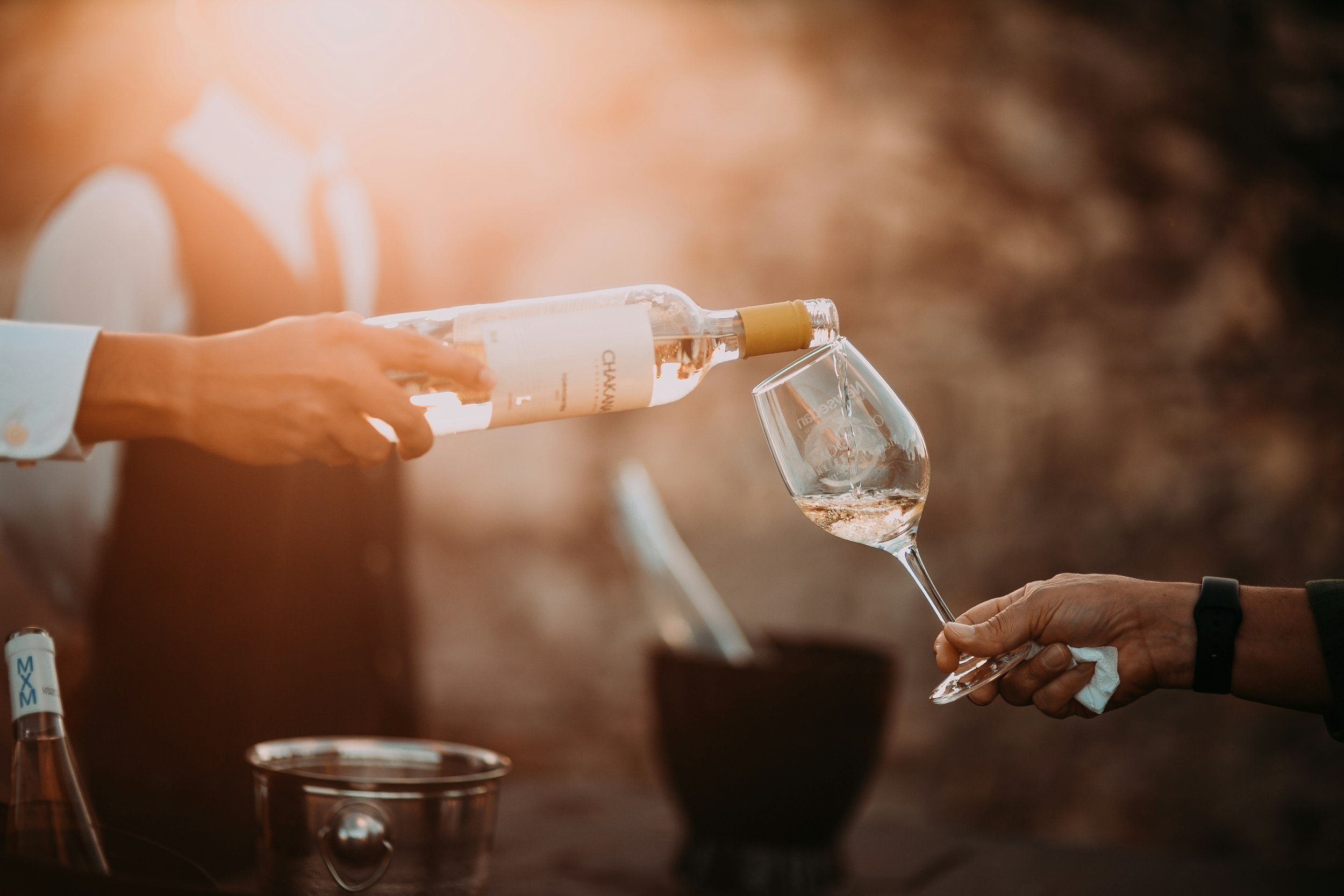
The Loire Valley is best understood through its vineyards and local producers rather than through formal gastronomy. The region is structured around well-established wine appellations such as Sancerre, Vouvray, and Chinon, where tasting experiences are directly connected to the landscape. Visits to estates, cellar tastings, and informal lunches in vineyard settings offer a simple but high-quality approach to food and wine. The focus remains on product, origin, and setting — creating an experience that is accessible, consistent, and rooted in the territory
Seasons, Light & River Rhythm
The Loire Valley can be visited throughout the year, with each season offering a different experience shaped by climate, vegetation, and activity levels. The most favorable period runs from May to September, when temperatures are mild to warm, gardens are in full bloom, and conditions are ideal for outdoor visits and cycling. June and September offer the best balance — good weather with fewer crowds and more stable conditions.
Spring (April to June) is particularly well suited for visiting châteaux and gardens, with active landscapes, moderate temperatures, and optimal cycling conditions. Summer (July–August) brings longer days and a more active atmosphere, with extended opening hours and increased visitor flow, especially at major sites.
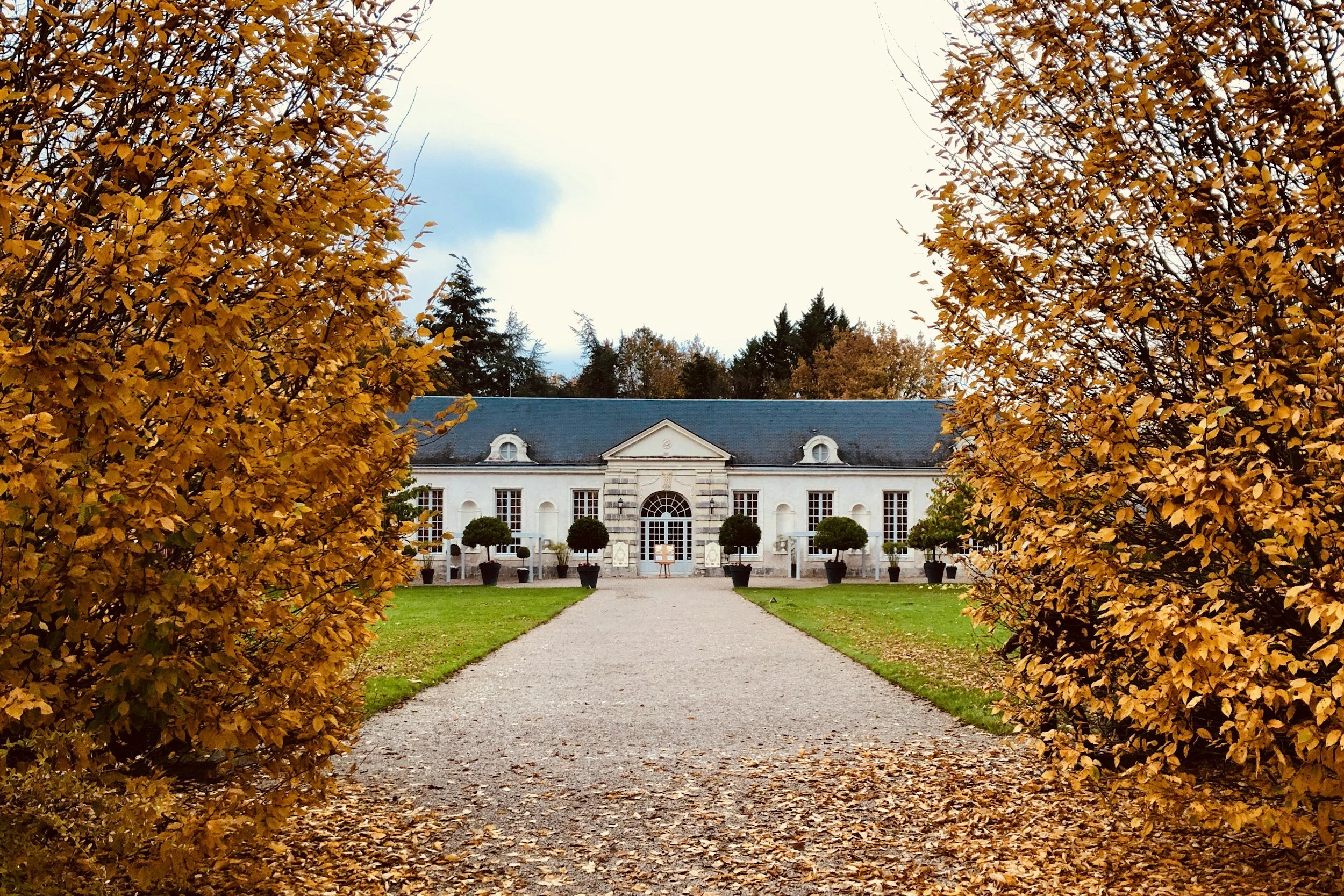
Autumn (September–October) is a key period for wine-related activities, with harvest season, changing vineyard colors, and a quieter overall pace. It is one of the most consistent periods for combining visits, tastings, and outdoor movement.
Winter is less active, with reduced opening times for some sites, but offers a calmer environment and easier access to major landmarks without crowds.
Overall, the Loire Valley remains a flexible destination — more active in peak season, more accessible and structured outside of it
When to Visit & What to Know
Loire Valley, who is it for?
The Loire Valley attracts travelers looking for a balanced experience between culture, nature, and accessibility. It is well suited to couples, but also to families and small groups who want to combine sightseeing with a relaxed pace.
The region is particularly relevant for those interested in French heritage, with a high concentration of major châteaux, as well as for wine enthusiasts exploring well-known appellations such as Sancerre, Vouvray, and Chinon.
It also suits active travelers, especially those interested in cycling. The Loire à Vélo route offers flat, well-marked paths connecting key sites, making it easy to move between châteaux, villages, and vineyards without a car.
Overall, the Loire Valley is a practical and well-structured destination: accessible from Paris, easy to navigate, and adaptable to different travel styles — whether focused on culture, gastronomy, or outdoor activities.